What Is Trauma?
What is trauma? It’s more than a single event. Explore the difference between Big 'T' and Little 't' trauma, and learn how SoulCare Counseling uses Emotionally Focused Therapy to help you heal and find peace.
TRAUMA THERAPY
Dr. Bernis Riley, Psy.D., LPC-S
2/18/20263 min read
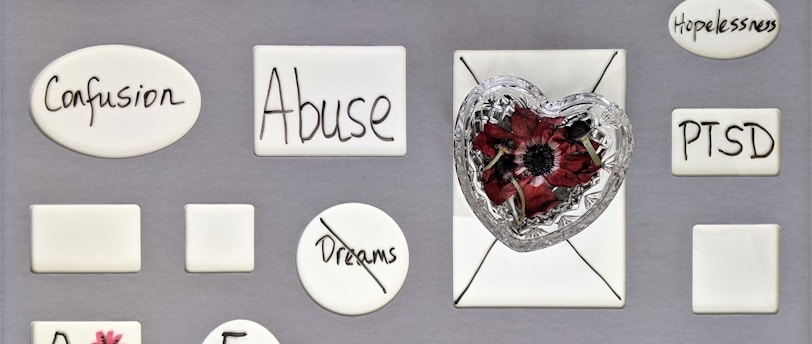

The question, "What is trauma?" assumes that there is one kind of trauma. But trauma is not a one-size-fits-all thing. Have you ever bought an item of clothing that was “one-size-fits-all?” That’s quite a claim that the same pair of pants could fit both Pee Wee Herman and Andre the Giant. I’m sure those two men bought different kinds of pants. In the same way, trauma is not one-size-fits-all. There are different kinds of trauma. This blog explores two different kinds of trauma, major trauma and developmental trauma.”
Let's Try To Define What Trauma Is In General
Before getting into different kinds of trauma, maybe we should ask first, “What is trauma?” The American Psychological Association defines trauma as, “an emotional response to a terrible event.” I add that it an emotional response to a terrible event that diminishes one’s ability to cope. It causes a person to immediately experience shock and denial. Over time, the person may develop erratic emotions and flashbacks. It can cause relationship problems and physical problems such as headaches or nausea. This is because brain’s response to trauma is to put it in a sort of time-warp so that the victim experiences the trauma, not as a memory of the past but as a present reality.
Major Trauma
When the typical person hears “trauma,” they immediately think of things outside of normal human experience. Some examples would be a terrorist attack, a natural disaster, sexual assault, serious injury, physical/emotional/sexual abuse, war, torture, a plane/car crash, extreme poverty, death of a child, etc. I’ve heard these called “Big T Trauma.” They’re the kinds of things that can trigger PTSD. The DSM-5 defines PTSD trauma as any situation where a person’s life or body is threatened. One key factor in major trauma is that the person loses their sense of control and is helpless before the trauma. One major trauma is enough to cause PTSD.
Developmental Trauma
You may never have experienced “big T trauma,” but you have experienced “little t trauma.” Maybe you grew up with parents who were distant, unresponsive, unavailable, or that abandoned you. You might have witnessed abuse or violence. Your feelings might have been dismissed, discouraged, or rejected. Maybe you didn’t feel safe in your family relationships. Maybe you were called names and isolated. Maybe you were gaslighted, cheated on, had messy breakups. Perhaps you went through a bad divorce, had legal problems, financial stress, bankruptcy.
None of these experiences by themselves classify as trauma. They’re not threatening to life or body. You might say they’re some of life’s hard knocks. But they are threatening to your self-esteem and emotional health. They are things that made you feel unsafe, and when those kinds of small traumas pile up, they interfere with your ability to cope with the world and function in relationships. Because of that, they fall under the category of “Developmental Trauma.” Developmental trauma is caused by ongoing problems in our primary attachment relationships in childhood.
We are all created by God for connection and we seek safety in our primary relationships. When that connection and safety are threatened or taken away, the brain is traumatized. If the connection and safety are repeatedly threatened or violated, we develop a level of trauma that can be crippling to our functioning and to our relationships.
The Good News
If you are feeling disconnected and unsafe in your life and/or in your relationship, the good news is that trauma, big or small, doesn’t have to rule your life. Our brains can heal from trauma and rewire. One way to accomplish that is to work with a trained therapist who uses Emotionally Focused Therapy for trauma. I urge you to read more about trauma therapy, and reach out to us at SoulCare Counseling to schedule a free thirty-minute consultation to get you started on the road to recovery. If you are married, your trauma is impacting your relationship. So, I would encourage you to deal with your trauma as a couple and do Emotionally Focused Therapy at SoulCare Counseling.
© 2026. All rights reserved.
Complaints Notice
Good Faith Estimate
Terms of Service
SoulCare Counseling — Serving Colleyville, Grapevine, Southlake, Keller, North Richland Hills, Hurst, Euless, Bedford, TX and surrounding areas. All of our counselors are Bible-believing Christians with master’s degrees in counseling and use Emotionally Focused Therapy as their therapy model.